
What Is PCOS? Symptoms, Causes, Effects, Weight Changes, and Healthy Lifestyle Tips
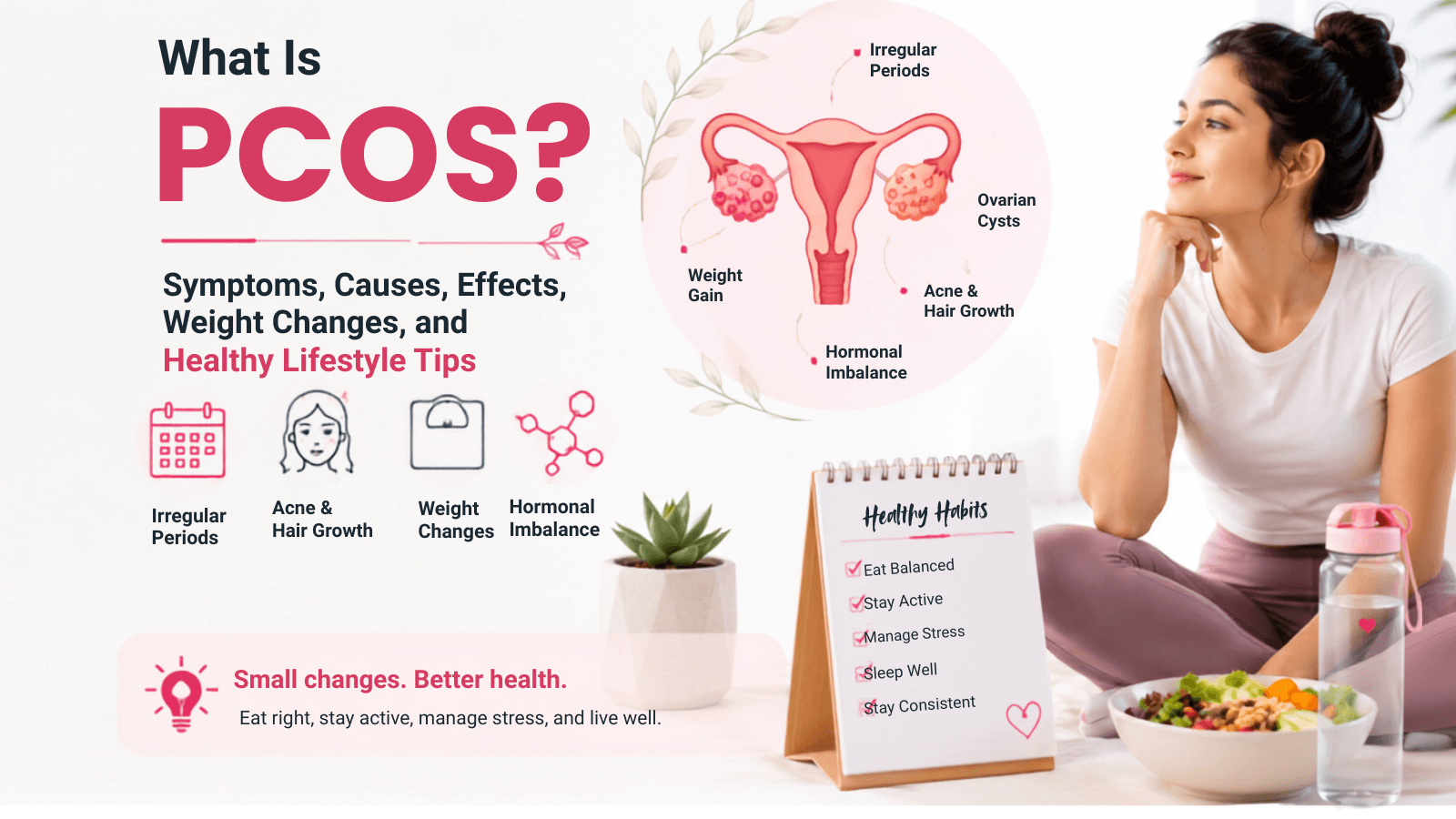
What Is PCOS?
Polycystic ovary syndrome is a condition that affects women and happens when levels of all hormones fluctuate.
Several factors have been suggested to be responsible for this problem, including excess male hormones, obstruction of fallopian tubes, and inflammation.
However, although PCOS appears in its name, not all women suffering from PCOS experience the formation of ovarian cysts.
Diagnosis may include tests of symptoms, hormones, and ultrasound.
What Is PCO in Females?
Many people ask, “What is PCO for females?”
PCO (Polycystic Ovaries) refers to multiple small follicles visible on an ultrasound of the ovaries. It’s been a finding more than a disease.
PCOS, however, is a health condition in which an imbalance in the body’s hormones, as well as an irregular menstrual cycle and changes in metabolism occur.
While the terms PCO and PCOS are frequently used interchangeably, the terms are not the same.
What Are the Signs of PCOS?
Symptoms differ from woman to woman. Some are only mildly symptomatic and others have all varieties.
Signs of PCOS
- Irregularity or missed periods
- Heavy, persistent menstrual bleeding
- Acne or oily skin
- Excess facial or body hair
- Hair loss on the scalp or thinning
- Weight gain or failure to lose weight
- Dark areas of skin, especially the one around the neck or underarms
- Skin tags
- Unfavorable ovulation and complications of getting pregnant
If you are suffering from multiple symptoms of the disease, see a healthcare professional for help.
What Is the Reason for PCOD?
There is not a single cause of PCOS, or PCOD, but different risk factors are believed to be involved.
Hormonal Imbalance
Women with PCOS tend to have a higher ratio of androgens which can interfere with normal ovulation.
Insulin Resistance
Actually, some women with PCOS actually have insulin resistance. In other words, their cells are not so well-sensitive to insulin, so the pancreas makes more insulin.
High levels of insulin increase androgen secretions, aggravating symptoms even further.
Genetics
Certain PCOS can develop within an inherited family, so inherited genes like this can increase the risk.
Inflammation
But also chronic low-grade inflammation may actually act as the agent of hormonal changes that lead to PCOS.
What Are the Effects of PCOS?
PCOS can mean more than your periodic cycles. They say that if the symptoms get too serious, it can affect hormone levels, hormones or even health problems.
A possible effect will be:
- Irregular ovulation
- Difficulty conceiving
- Weight gain
- Acne
- Excess hair growth
- Hair thinning
- Emotional stress
- Increased risk of insulin resistance
- Type 2 diabetes risk higher
- Long-term risk for high blood pressure and heart disease
Not everyone experiences all these effects and symptoms differ from person to person
Does PCOS Cause Weight Gain?
Yes, obesity from PCOS is not uncommon.
Hormonal changes and insulin resistance can help people gain weight, while making it harder to lose it.
The body may tend to weigh around the abdomen even though a person does not need to do it for themselves.
Furthermore not all women with PCOS are overweight.
On top of that, lean women can get PCOS.
Is PCOS Weight Loss Difficult?
As a result of this, for many women with PCOS it has been seen as more difficult and time-consuming than they may suppose.
The hormonal imbalance and insulin resistance may pose difficulties for weight management.
But slow lifestyle changes — such as regular physical activity, good dieting, sleep and stress management — can help promote weight loss over the long run.
Do not engage in crash diets or extreme weight-loss methods, as such practices are hard to establish and do not promote long-term health.
Why Is My Period Blood Black? Are Black Period Blood Associated with PCOS?
Some ladies who present with PCOS also detect black or dark brown period bleeding, particularly near the start or end of the menstrual cycle.
Often, that’s just old blood that has taken longer to leave the uterus and is not a reason to worry about.
But if black period blood is accompanied by severe pain, a bad smell, fever or massive bleeding, it’s best to seek an emergency care provider as these symptoms may suggest another underlying issue.
What Happens If PCOS Is Left Untreated?
I was thinking a lot about that, what do we look like when women have PCOS but don’t get medical help?
If PCOS is not managed well it can elevate the risk of:
- Periodicity issues that are chronic
- Fertility challenges
- Prediabetes or Type 2 diabetes
- High cholesterol
- High blood pressure
- Sleep problems
- Anxiety or depression
- The thickening of the uterine lining from infrequent periods
Early diagnosis and regular medical care can take some of the pressure from these risks off.
What Should We Eat in PCOD?
There is no one “PCOS diet,” however a healthy diet will boost hormone balance and health and the general quality of life.
As a group, women with PCOS are advised to eat:
- Plenty of vegetables
- Whole grains
- Fruits in moderation
- Lean proteins
- Healthy fats (nuts, seeds, olive oil)
- High-fibre foods
- Plenty of water
Reducing sugary beverages, ultra-processed foods and excess added carbohydrate may also aid better blood-sugar control.
Our next blog will look at the best foods; a comprehensive PCOS diet plan.
Can Working Out Help with PCOS?
Absolutely.
Chronic low-intensity exercise can assist individuals in staying fit, maintaining body weight and improving overall health.
If you’re working out with PCOS, consider activities such as:
- Brisk walking
- Cycling
- Swimming
- Strength training
- Yoga
- Pilates
Aim for 150 minutes of moderate exercise weekly or follow your health care provider’s recommendations.
The secret is opting for activities that are fun that you can stick with and do consistently.
What Is the Solution to the PCOD Problem?
PCOS no longer has a permanent cure, but its symptoms can often be effectively controlled with the right treatment.
Management may include:
- Maintaining a healthy weight
- Eating a balanced diet
- Exercising regularly
- Managing stress
- Getting adequate sleep
- Abiding by your healthcare provider’s treatment plan
- Continuous health examinations
Personalize treatment for every woman and give lifestyle hints, after all the PCOS treatments are different.
Final Thoughts
PCOS can be a very common hormone condition that affects everything from menstrual cycles, skin, weight and lifelong metabolic health to the rest of a woman’s health.
Recognizing the symptoms as early as you can and seeking medical guidance can support you to relieve and minimize the risk of potential complications down the road.
Good nutrition, exercise, proper sleep and regular medication and routine health care all do contribute to treatment of PCOS.
Read Next
Wondering whether PCOS affects fertility or if pregnancy is possible?
Read our next blog: Is It Possible to Get Pregnant with PCOS? Fertility, Ovulation & Pregnancy Explained to learn about ovulation, conception, pregnancy chances, and tips for women trying to conceive with PCOS.
Frequently Asked Questions
The two terms are frequently used nearly interchangeably, but they are not the same.
PCOD is the term used to describe polycystic ovaries, and PCOS is a hormonal and metabolic disease that can impact various health conditions.
Yes. Weight gain is common, but women of all sizes can develop PCOS.
No. Most women with PCOS don’t have ovarian cysts and some women with polycystic ovaries do not have PCOS.
As it stands there’s currently no cure for PCOS.
But symptoms are generally better dealt with through lifestyle changes and appropriate medical treatment.
Related Posts
Is It Possible to Get Pregnant with PCOS? Fertility, Ovulation & Pregnancy Explained
A diagnosis of Polycystic Ovary Syndrome (PCOS) often raises many questions, especially for women who…

Simple Nutrition Tips for PCOS Management
PCOS is a prevalent hormonal issue that affects weight, metabolism, skin, and overall health. Healthy…
Leave a Reply