
How to Stop Hair Fall Naturally
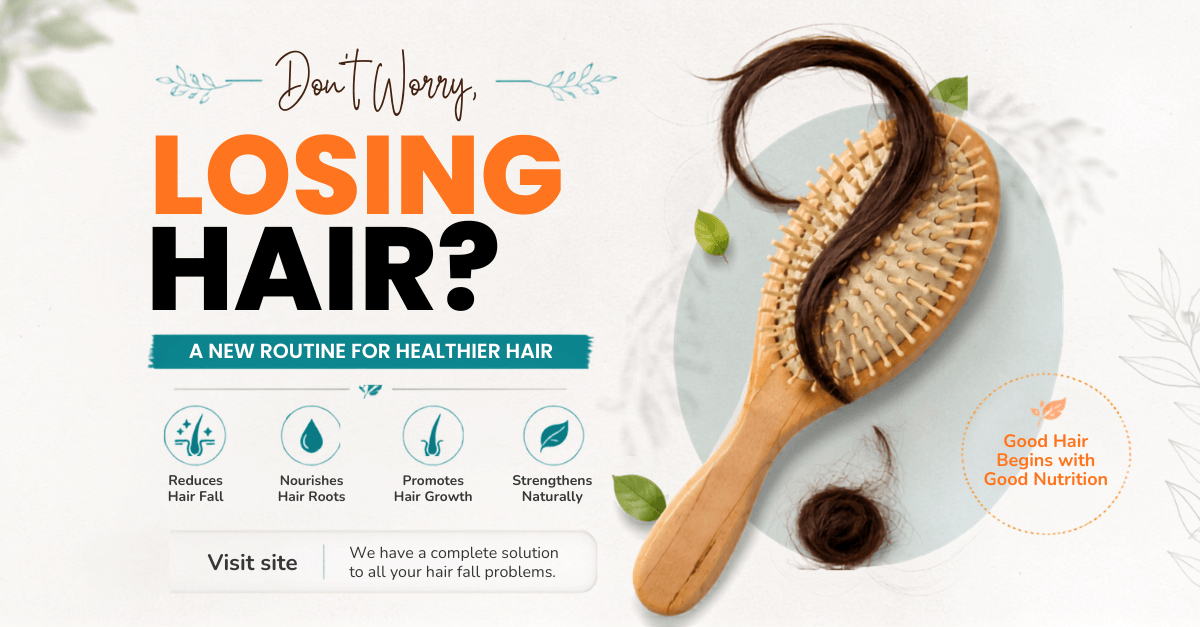
You can find some hair pieces on your pillow or in the shower perfectly normal. And really, the average person loses 50 to 100 hairs every day on their scalp and as part of the natural hair growth process.
But if you’re shedding an excessive amount of hair, thinning hair or part lines or more and more hair in part lines to be thicker or thicker, look for the cause and not just oil or shampoo.
Most of the issues of hair fall can be prevented with nutritional deficiencies, stress management, good scalp care and the right kind of hair care.
In this guide, we’ll explain what causes hair fall, what actually works, and how you can support stronger, healthier hair naturally.
Quick Answer
Hair fall is preventable if we know why. Nutritional deficiencies, stress, hormonal problems, scalp health, scalp conditions and genetics are common causes of hair loss. Good hair growth is achieved by protein, iron, zinc, vitamin D, vitamin B12, mild hair care and good scalp care and hygiene. Long-term or sudden hair loss may be treated by a healthcare provider.
Why Does Hair Fall Happen?
Hair grows naturally in a cycle of growth, transition, rest and shedding.
And when:
- You lose more than you usually do each day
- Your scalp starts to look thinner at times
- Hairs fall out in patches or clumps
Knowing the cause is the first step to finding the correct solution.
Common Causes of Hair Fall
1. Nutritional Deficiencies
Healthy hair follicles need nutrients that keep them looking good to grow longer.
Healthy hair follicles will also fall due to nutritional deficiencies.
- Protein
- Iron
- Zinc
- Vitamin D
- Vitamin B12
For example, crash dieting and skipping meals.
2. Stress
Physical or emotional stress is more likely to push hair follicles into shedding stage and hair loss can occur a couple months later.
Good hair growth is possible with simple stress management techniques (exercise, yoga, meditation, sleeping).
3. Hormonal Changes
Hormonal changes can also occur in pregnancy, PCOS, thyroid disorders and menopause.
Most of these should be investigated and treated.
4. Scalp Problems
The scalp is the key to hair.
Dandruff, fungal infections and seborrheic dermatitis can cause hair shedding if left untreated.
5. Genetics
The male and female pattern of hair loss is one of the most common causes of progressive thinning.
Genetics can’t be changed but early diagnosis can slow progression.
How Can You Stop Hair Fall Naturally?
Eat a Protein-Rich Diet
Hair is mainly keratin, a type of protein.
Have foods like:
- Eggs
- Paneer
- Lentils
- Fish
- Soy products
- Chicken
- Greek yoghurt
A protein-rich diet is the building blocks of hair.
Increase Iron Intake
Low iron levels are a common cause of hair thinning, especially in women.
- Spinach
- Beetroot
- Lentils
- Chickpeas
- Pumpkin seeds
- Lean meat
Pair iron-rich foods with vitamin C-rich fruits to assist with absorption.
Help Your Hair with the Essential Nutrients
Healthy hair is a balance of nutrients:
- Vitamin D
- Zinc
- Biotin
- Vitamin B12
- Selenium
- Omega-3 fatty acids
Healthcare should be done to assess for the deficiency before taking supplements.
Clean Your Scalp
A clean scalp is good for hair follicles. Wash your hair regularly with a shampoo appropriate for your scalp type.Dandruff or itching will be worse to remedy as a result of home remedies alone.
Avoid Excessive Heat and Chemical Treatments
Frequently using hair straighteners, curling irons, hair colouring, bleaching and chemical treatments can cause hair shafts to weaken and contribute to breakage.
Give your hair time to recover between treatments.
Get Enough Sleep
Aim to sleep 7–8 hours most nights. Poor sleep is associated with stress, hormonal imbalances which affect hair health.
Stay Hydrated
Water is good for the health of the scalp, hair follicles and so on.
Foods That May Support Healthy Hair
- Eggs
- Nuts
- Seeds
- Fresh fruits
- Green leafy vegetables
- Whole grains
- Beans
- Curd
- Fatty fish
Healthy hair is only made possible by a well-balanced diet.
Protein-rich breakfast foods such as eggs, sprouts, yoghurt with fruit and poha with peanuts provide protein, iron, healthy fats and vitamins that are essential for hair health.
Hair Care Habits to Avoid
Some habits can inadvertently exacerbate hair fall.
Don’t:
- Tight hairstyles
- Vigorous towel drying
- Wet hair aggressively handled
- Excessive heat styling
- Frequent chemical treatments
- Smoking
Soft handling reduces breakage and protects fragile strands.
Myths vs Facts
Myth | Fact |
Oiling alone stops hair fall. | Hair oil may condition the hair, but it does not treat every cause of hair loss. |
Shampoo causes hair fall. | Shampoo mainly cleans the scalp. Hair seen during washing is often hair that had already shed. |
Cutting hair makes it grow faster. | Haircuts improve appearance but do not change the growth rate of hair follicles. |
Natural remedies are always safe. | Some DIY ingredients may irritate the scalp or worsen hair problems if used incorrectly. |
When Should You See a Doctor?
If you experience:
- Hair fall lasting longer than 6–8 weeks
- Sudden excessive shedding
- Bald patches
- Severe dandruff
- Deep scalp itching
- Hair loss due to fatigue, weight change or irregular periods
Early diagnosis usually leads to better outcomes.
Final Thoughts
Hair fall is mostly a sign that your body or scalp needs a little attention. Instead of quick fix or products that are popular now, we have to look at the root cause. In the long term, diet and lifestyle, care for scalp and stress management and healthy eating should be a part of hair health.Healthiest hair doesn’t go away overnight. Long term habits are built on a consistent lifestyle.
Learn How Nutrition & Lifestyle Impact Hair Health with Nutralytics
Nutrition & Lifestyle are critical to hair health.
Good health starts with the right knowledge.
We offer nutrition and lifestyle classes to cover:
- Food and daily habits
- Sleep habits
- Stress management
- Overall health
- How all of it affects the health of your hair
And if you’re looking for healthier eating habits, good health in general or nutrition science to be followed from the basics, our courses are practical and evidence-based and will be useful for everyday life.
Explore our nutrition and lifestyle courses today and take the first step towards making informed choices for better health—inside and out.
Frequently Asked Questions
Yes.A daily loss of 50–100 hairs is a normal hair growth cycle.
Low iron, vitamin D, vitamin B12, zinc and poor protein consumption are frequently associated with hair shedding.
Yes.Physical or emotional stress can temporarily increase hair shedding.
Hair oil can help hair health and lower dryness, but it is unlikely to resolve hair loss caused by nutritional deficiencies, hormonal issues, or genetics.
Protein-rich foods, green vegetables, fruits, nuts, seeds, eggs, fish, and legumes all contribute important nutrients for healthy hair.
If hair fall is caused by nutritional deficiencies, appropriate supplementation under medical supervision may help. Supplementation cannot be used to replace a balanced diet or taken without any evaluation of the likely cause.
Related Posts

India Just Changed the Rules for Nutrition Advice — Here Is Why the Best Nutritionist Course in India Matters More Than Ever
Let’s be real for a bit. How many of us have listened to diet advice…
Is a Diet Without A Professional Dietitian a Good Idea or a Bad Idea?
Health is an area with growing awareness now, and more and more people today are…

Why Choose a Degree in Health and Nutrition? Career Scope in India Explained
Health care in an evolving world is no longer a matter of treating illnesses. It…
Leave a Reply