
Is It Possible to Get Pregnant with PCOS? Fertility, Ovulation & Pregnancy Explained
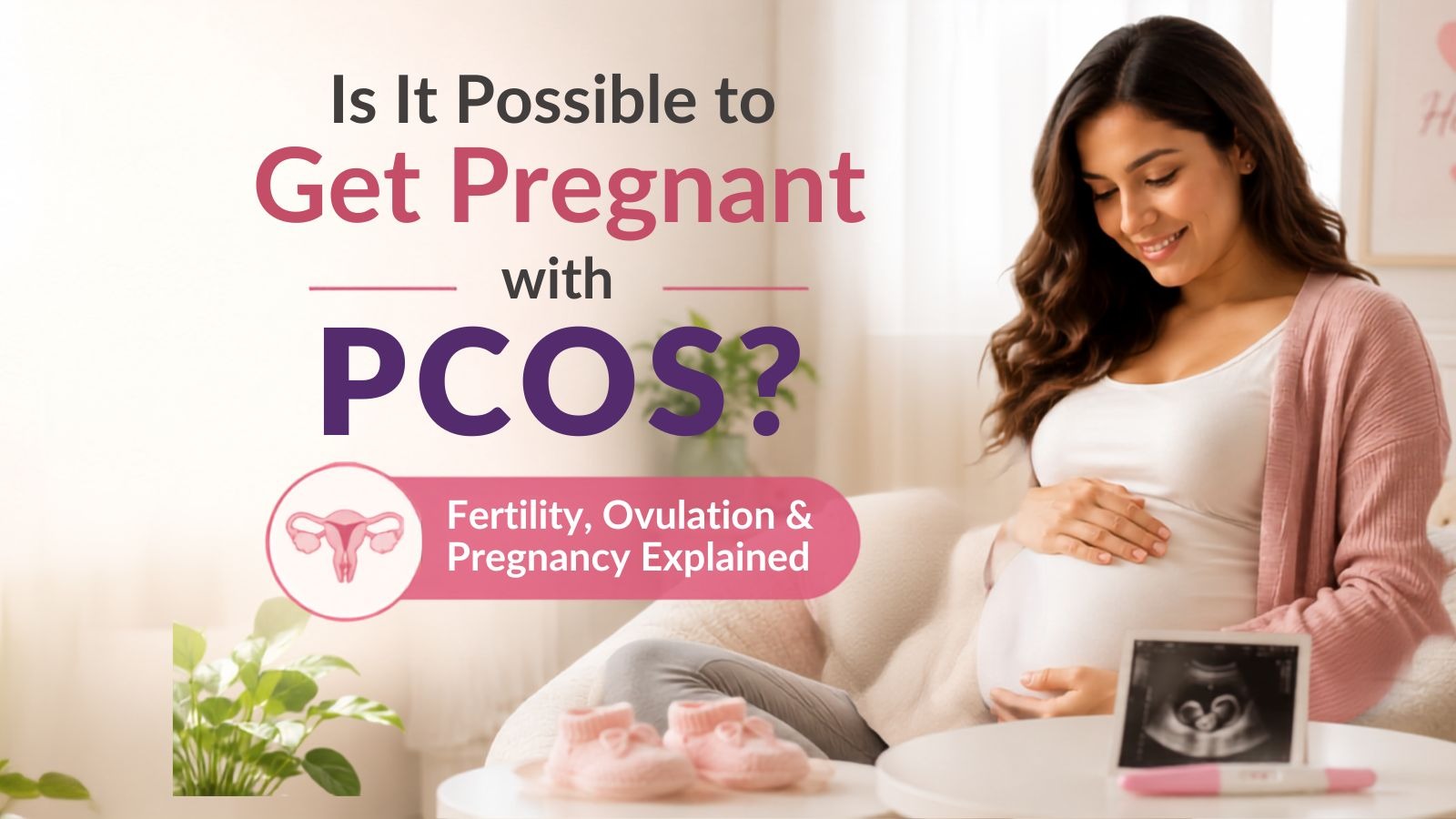
A diagnosis of Polycystic Ovary Syndrome (PCOS) often raises many questions, especially for women who are planning to start a family. One of the most common concerns is, “Is it possible to get pregnant with PCOS?”
The simple answer is yes.Many Women who are symptomatic with the condition would have natural causes for conception, some could need to modify their physical lifestyles or seek medical assistance.
Yes it definitely makes it difficult to get pregnant but PCOS does NOT mean you do not have a chance.
For that reason, this guide will cover how PCOS can affect fertility, ovulation, getting pregnant and what if anything to do if you want to have a child.
Is It Possible to Get Pregnant with PCOS?
Yes, you could also develop PCOS and become pregnant.
PCOS disrupts ovulation, thus making conception more difficult.But lots of women with PCOS experience healthy pregnancies. Some conceive naturally, while still others need medical treatment or fertility assistance.
The trick is to know what your condition is, to continue living well and then to work with the health care provider if you cannot get pregnant that way.
How Does PCOS Affect Fertility?
An egg must be ovulated into existence in order to be fertile.
PCOS women in the majority of cases experience hormonal imbalance, which alters ovulation physiology.
In alternative menstrual cycles, ovulation may be:
- Less frequent
- Irregular
- Nonexistent
If ovulation ceases to occur on a regular basis, though, chances of pregnancy may decrease but do not go away.
What Is PCOS Ovulation?
PCOS ovulation refers to ovulation in women with Polycystic Ovary Syndrome.
In women without PCOS, ovulation usually happens once per menstrual cycle.
With PCOS, ovulation can:
- Be delayed
- Occur irregularly
- Happen only occasionally
- Not during some cycles
Ovulation tracking explains a woman’s menstrual frequency more clearly, letting them know when she is the most fertile, but most importantly, the best way to be able to monitor ovulation is for a healthcare provider.
Is It Possible For You To Become Pregnant With Irregular Periods?
Yes. You can become pregnant with erratic periods, but it can be even harder; irregular periods are commonly associated with irregular ovulation.
Women with PCOS, for instance, can have only a few ovulations each year; still others will have occasional cycles that are irregular as well.
If you have had irregular periods and are trying to get pregnant but don’t find or have a successful outcome, medical guidance offers potential assessments.
What Are the Chances of Getting Pregnant with Polycystic Ovaries?
Women with polycystic ovaries have varying chances of pregnancy.
For fertility there can be many factors such as:
- Age
- Frequency of ovulation
- Overall health
- Body weight
- Insulin resistance
- Additional related fertility conditions
Many women will conceive after bettering their lifestyle, while others will need fertility treatments prescribed by their doctor.
Getting Pregnant with PCOS After 30
The question that makes many women wonder if you could get pregnant with PCOS after 30.
The answer is yes.Although fertility declines naturally with age, thousands of women have healthy pregnancies in their 30s and older with PCOS.
And if you’re 30 and want to get pregnant, it is time to talk to your doctor about your reproductive health sooner rather than later, particularly if you’ve been hoping for a few months and haven’t arrived at any actual outcome.
PCOS and How to Get Pregnant
The first thing is to learn about your overall health, not just how to get pregnant if you’re interested in PCOS.
Here are some good habits you can hold to help improve your chances:
- If advised by your doctor, maintain a healthy weight
- Adhering to a balanced diet
- Exercising regularly
- Getting enough sleep
- Managing stress
- Non-smoking and non heavy alcohol drinking
- Regular health monitoring
Small changes in your lifestyle will continue to make hormones balance — and you’ll have a healthier reproductive landscape, too.
Trying to Get Pregnant with PCOS? Here's What You Should Know
If you’re trying to conceive with PCOS, remember each woman’s experience is unique.
Some women will be pregnant after only a couple of months, while others might need extra support.
Rather:
- Track your menstrual rhythm
- Check your menstrual cycle with your health-care provider; talk about ovulation patterns
- Go for regular health examinations
- Follow prescribed treatment strategies
Patience and regular care are frequently crucial along the way.
What Are the Treatment Options to Help You Get Pregnant?
There’s no treatment so they aren’t pregnant with PCOS because your specific condition and level of fertility will determine the outcome.
Your physician may suggest that a person:
- Lifestyle changes
- Weight management, if necessary
- Drugs that can help to stimulate ovulation
- If needed, interventions for improved insulin sensitivity
- If pregnancy does not occur naturally, fertility procedures are suggested
Your doctor will recommend the most appropriate way to proceed depending on your medical history and general health.
What is the Impact of PCOS On Pregnancy?
PCOS can be associated with a relatively normal pregnancy.
Some of the pregnancy complications are even just a little bit more risky for them than for their healthy counterparts.
Potential impacts of PCOS in pregnancy:
- Gestational diabetes
- Pregnant women develop high blood pressure
- Hypertension during pregnancy
- Preeclampsia
- In some cases, it also may cause premature birth
Those risks are person specific and not presented in every pregnancy.
Regular prenatal care allows health care providers to follow mother and child through the entire course of pregnancy.
Can Lifestyle Changes Improve Fertility with PCOS?
Preventive health, reproductive health and lifestyle will help good health and reproductive health.
Advantages in a healthful and healthy diet:
- Keeping physically active
- Maintain your weight if you must
- Sleeping 7-9 hours a night
- Taking steps to reduce stress using relaxation techniques
- Scheduling regular medical appointments
They go beyond a simple list of good habits that all have a health value, could help you get better in general as you head to the clinics and may help to offset your hormones.
When Should You See a Fertility Specialist?
Consider speaking with a healthcare professional if:
- You have been trying to conceive for 12 months (or six months if you reach 35)
- You have extremely irregular or no menstrual periods
- You think you are not ovulating often
- You experience recurrent pregnancy losses
- You have other known fertility concerns
Early evaluation can also flag up the most appropriate next steps
Final Thoughts
The diagnosis of PCOS doesn’t mean you can’t be a mother. While PCOS can affect ovulation and fertility, many women will become pregnant with the condition.
When you know you’re about to conceive, if you are living in good health and if you will receive treatment once you request it, pregnancy outcomes can be more favourable.
If you’d like to start a family, don’t be discouraged from consulting your health care provider about your fertility goals.
That’s where early advice and individualized care can make a difference.
Read Next
New to PCOS or want to understand the condition better?
👉 Read our complete guide: What Is PCOS? Symptoms, Causes, Effects, Weight Changes & Healthy Lifestyle Tips to learn about the causes, symptoms, weight changes, and lifestyle management of PCOS.
Frequently Asked Questions
Yes.Naturally many women conceive naturally. Yet they may need to adjust their lives and get a doctor’s help in the same way as before.
No.PCOS is one of the leading causes of infertility associated with ovulation-associated disorders, although many women do conceive successfully.
For women who are overweight, even modest weight loss may help improve hormone balance and ovulation. Weight-loss recommendations should always be personalized.
No.Different women fall pregnant naturally, or with fertility treatments, depending on each woman.
Some women with PCOS have a higher risk of pregnancy complications — but many of them do end up having healthy pregnancies after receiving routine antenatal care.
Related Posts
What Is PCOS? Symptoms, Causes, Effects, Weight Changes, and Healthy Lifestyle Tips
What Is PCOS? Polycystic ovary syndrome is a condition that affects women and happens when…

Simple Nutrition Tips for PCOS Management
PCOS is a prevalent hormonal issue that affects weight, metabolism, skin, and overall health. Healthy…
Leave a Reply