
High BP in Pregnancy? The Warning Signs Every Mother Should Know
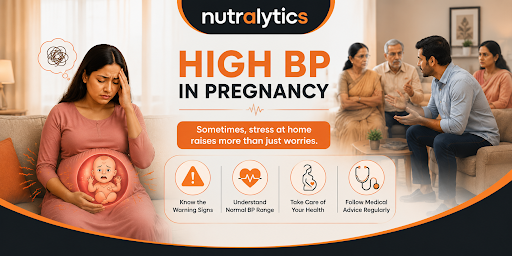
Pregnancy is a big change in body and blood pressure is one of the most important health measures to be monitored during pregnancy.
A high BP in pregnancy should never be missed in the future. A pregnancy-related BP can lead to complications even if a mother is generally healthy. Regular antenatal check-ups and blood pressure monitoring are important.
The normal BP range, the warning signs and when to seek help from a healthcare professional will be helpful if it is not right.
This article explains what high blood pressure during pregnancy means, how blood pressure is measured, warning symptoms to watch for and why regular monitoring matters.
What Is Blood Pressure During Pregnancy?
Blood pressure is the force of blood against the walls of your arteries.
And it is measured by two numbers:
- Systolic blood pressure: The top number, representing pressure when the heart contracts.
- Diastolic blood pressure: The bottom number, representing pressure when the heart relaxes.
Blood pressure of 120/80 mmHg is systolic and diastolic blood pressure is 80.
Blood pressure can change naturally during pregnancy. It can decrease in early and middle pregnancy and then increase later.
But a persistent or significant increase will need to be assessed by a healthcare professional.
What Is the Normal BP Range During Pregnancy?
There is no one blood pressure reading for every pregnant woman that is normal and the readings vary from person to person.
In general, blood pressure less than 120/80 mmHg is considered normal for adults.
Medical care providers are monitoring the normal blood pressure of a woman during pregnancy and looking for high readings.
A blood pressure of 140/90 mmHg or higher on a repeat measurement is generally high blood pressure during pregnancy and is considered a medical problem.
A reading of 160/110 mmHg or higher indicates severe hypertension and needs immediate medical attention.
It is not advisable to diagnose pregnancy-related hypertension by a single home reading.
The doctor or maternity care team will have to read blood pressure readings together with your symptoms, medical history and other tests.
High BP in Pregnancy: Why Does It Matter?
Depending on when it occurs and whether there are other symptoms (such as other diseases or complications) pregnancy hypertension can be diagnosed as chronic hypertension and in which case there can be different types of hypertension.
These include:
Chronic Hypertension
High blood pressure pre-pregnant or early in pregnancy can be diagnosed as chronic hypertension.
Gestational Hypertension
This refers to high blood pressure that develops after 20 weeks of pregnancy without certain signs of organ damage associated with preeclampsia.
Preeclampsia
Preeclampsia is a pregnancy complication, and when blood pressure is high after 20 weeks with protein in urine and/or other signs of organ involvement.
These are different kinds of conditions and professional evaluation is very important when blood pressure is high.
High BP in Pregnancy: Warning Signs and Symptoms
One of the challenges of pregnancy hypertension is that it doesn’t often show up with visible symptoms.
There are warning signs that urgent medical evaluation is necessary.
Severe or Persistent Headache
A headache that is severe, persistent or not at all your usual headaches can be a telltale sign, especially if it doesn’t improve with rest or what is suggested for you.
Don’t assume that all pregnancy headaches are simply tiredness, but that every pregnancy is a result of tiredness and tiredness.
Vision Changes
Vision changes can include:
- Blurred vision.
- Seeing spots.
- Flashing lights.
- Short-term vision loss.
- Sensitivity to light.
These symptoms must be treated with your healthcare provider immediately.
Sudden Swelling
There is some swelling in feet and ankles during pregnancy.
But sudden or large swelling (face or hands) of any kind, particularly of the face or hands, may be a warning sign that needs medical attention.
Pain in the Upper Abdomen
Pain below the ribs (especially in the upper right side of the abdomen) may be associated with pregnancy complications involving the liver.
If this pain is severe, persistent or happens alongside other early warning signs, seek medical attention.
Shortness of Breath
And if a sudden onset of chest discomfort or other causes of shortness of breath is present, don’t take it for granted.
You should call your doctor and they say it’s urgent care.
Nausea or Vomiting That Happens Suddenly
While nausea and vomiting are common during pregnancy, new or severe symptoms later in pregnancy may require assessment when they occur alongside other warning signs.
Sudden Changes in Well-Being
You know your body better than anyone.
If you suddenly feel significantly unwell, especially if you also have a headache, vision changes, abdominal pain, swelling or elevated blood pressure, contact your maternity care provider.
High BP in Pregnancy Can Happen Without Any Symptoms?
Yes.
That’s the most important thing pregnant mothers need to know: a pregnant woman can have high blood pressure without headaches, swelling or other visible signs of symptoms.
So blood pressure checks are performed at antenatal appointments.
And monitoring helps identify changes in behavior in advance of serious problems.
How Is High Blood Pressure Diagnosed During Pregnancy?
Healthcare professionals often look for a lot of factors and not just a single blood pressure reading.
Blood pressure testing can be repeated.
- Protein testing for urine.
- Symptoms assessment.
- Kidney and liver function evaluation.
- Platelet count.
- Monitoring the baby’s growth and health.
If high BP is detected in pregnancy, the proper follow-up will depend on the type of blood pressure the baby is experiencing and the level of preeclampsia or other complications.
High BP in Pregnancy vs Preeclampsia
The two terms can be used interchangeably but are not the same.
Gestational hypertension is usually associated with high blood pressure after 20 weeks of pregnancy and proteinuria or other organ dysfunction associated with preeclampsia.
Preeclampsia is high blood pressure after 20 weeks, protein in urine or other signs of organ involvement.
Preeclampsia can affect many organs including kidneys, liver, brain and blood-clotting system so monitoring is very important.
Only a healthcare professional can know which of these conditions are present.
Who May Be at Higher Risk?
High blood pressure in pregnancy can happen to anyone, but there are more common things that are at risk (e.g., preeclampsia).
- Chronic hypertension.
- Kidney disease.
- Diabetes.
- Multiple pregnancy, twins or triplets.
- Some autoimmune conditions.
- First pregnancy.
- Family history of preeclampsia.
- More maternal age.
A risk factor doesn’t mean you’re going to develop high blood pressure or preeclampsia.
It just means your doctor would recommend closer monitoring.
How Do Pregnant Women Monitor Blood Pressure?
If your doctor told you to monitor blood pressure at home, use a well-designed blood pressure monitor with the measurement instructions given by your healthcare provider.
Just take a few minutes to rest before measuring to make sure:
- Sit quietly for several minutes before measuring.
- Keep your back supported.
- Place your feet flat on the floor.
- Keep your arm supported.
- Use the correct cuff size.
- Avoid talking during the measurement.
- Record the reading and time.
Don’t check your blood pressure if you’re worried about one number and your healthcare provider doesn’t say you should check it more than once.
Rest and repeat it as directed by your healthcare team if you find out that your reading is suddenly high.
If it is still in the high or severe range, seek medical advice right away!
What Is High BP in Pregnancy and Emergency of High BP in Pregnancy?
A blood pressure reading of 160/110 mmHg or higher in pregnancy is severe hypertension.
If you have a high reading, call your maternity care team or seek immediate medical treatment rather than wait until your next regular appointment.
Urgent assessment is also very important if you have high blood pressure with symptoms like:
- Severe headache.
- Vision changes.
- Severe upper abdominal pain.
- Difficulty breathing.
- Chest pain.
- Confusion.
- Seizure.
- Sudden significant swelling.
Do not treat severe pregnancy-related hypertension on your own.
How Does Diet and Nutrition Help Pregnancy?
Nutrition is critical for maternal health but food should not be substituted for a medical examination and treatment for pregnancy-related hypertension.
Nutrition is essential in pregnancy.
Food demands change in pregnancy.
A healthy balanced diet is good for maternal and fetal health and may be a good mix of
- Protein
- Whole grains
- Fruits
- Vegetables
- Healthy fats
- Calcium-rich foods
- Adequate fluids
Pregnant women should avoid extreme diet changes such as supplementing or drastically reducing salt without consulting with their healthcare provider while in pregnancy.
If you have high BP during pregnancy your doctor will be the one who will guide your medical care.
Why Is Antenatal Monitoring Important?
High blood pressure can develop without immediate signs.
Routine prenatal appointments give healthcare professionals opportunities to monitor:
- Blood pressure
- Urine
- Maternal symptoms
- Baby’s growth
- Overall pregnancy progress
You are more likely to have scheduled appointments if you have risk factors for hypertension or preeclampsia because they’ll be more likely to be seen.
A single normal reading does not mean blood pressure is going to stay normal during pregnancy so monitoring is important.
Take High Blood Pressure During Pregnancy Seriously
Understanding the normal BP range and the warning signs of high BP in pregnancy can help expectant mothers know when to go to the doctor.
The most critical thing to keep in mind is that pregnancy-related high blood pressure cannot be detected simply on the basis of symptoms. Regular antenatal monitoring remains essential, and any concerning blood pressure reading or warning symptom should be discussed with your doctor or maternity care team.
For personalised nutrition guidance during pregnancy, Nutralytics can help expecting mothers understand their changing nutritional needs as part of a broader, healthcare-guided approach to maternal wellness.
Frequently Asked Questions
A blood pressure reading of 140/90 mmHg or more is usually considered high in pregnancy and should be evaluated for medical assessment if confirmed after multiple measurements.
Blood pressure varies between individuals and throughout pregnancy. A reading below 120/80 mmHg is generally considered normal for adults, but your healthcare provider should interpret your readings in the context of your pregnancy and medical history.
A reading of 140/90 mmHg or higher is not something to ignore during pregnancy. It can indicate hypertension and should be assessed by your healthcare provider, particularly if it is repeated.
Yes. A reading of 160/110 mmHg or higher is considered severe hypertension and requires urgent medical evaluation.
Yes. Pregnancy-related hypertension can sometimes occur without noticeable symptoms. This is why regular blood pressure checks during prenatal care are important.
No. High blood pressure can occur as gestational hypertension without the diagnostic features of preeclampsia. Preeclampsia involves hypertension along with proteinuria and/or other signs of organ involvement.
Related Posts

Unlock Your Potential with Nutralytics: Master Nutrition, Public Health, and Advanced Research
Introducing Nutralytics: Your Gateway to Nutrition, Public Health, Pharmacology, and Advanced Research Mastery! 🌟Are you…

Unlock the Future of Health: Join Nutralytics for Personalized Nutrition
The Future of Personalized Nutrition: Join Nutralytics!No two individuals are alike, not even in the…

Enhancing Scientific Communication: The Role of AI and Ethical Writing Practices
Scientific communication is crucial for sharing research. It transforms discoveries into significant contributions that inspire…
Leave a Reply