
Want to Beat High Blood Pressure Without Medicines? Start with Your Plate!
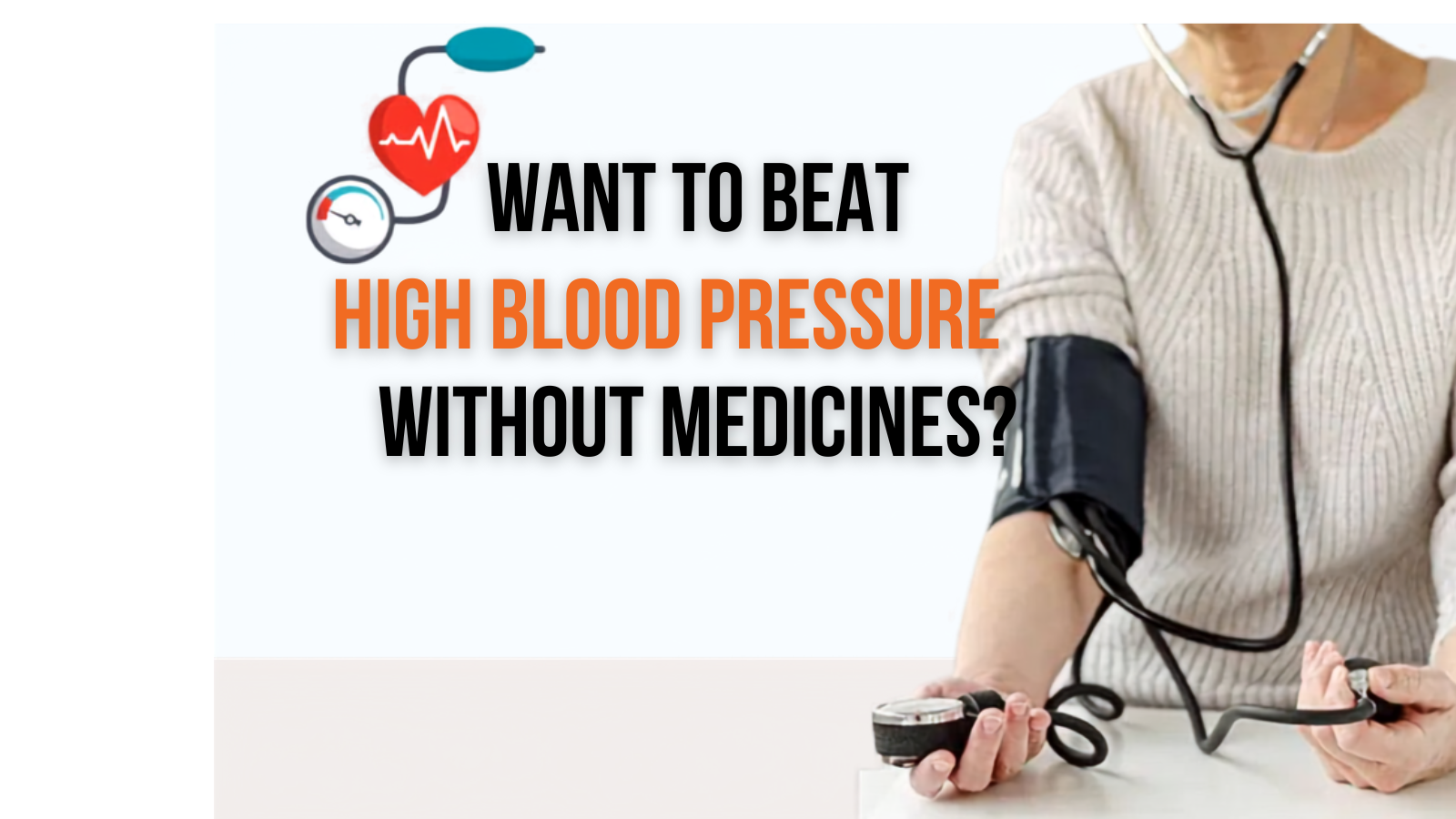
Systolic high blood pressure – what everyone knows as hypertension – is no longer just a disease of old-age, it has quickly and steadily grown in prevalence of younger adults and working men/women.
Fortunately, however, in many cases, managing high blood pressure does not require medication, but can instead often be managed by making different food selections and/or implementing other lifestyle changes.
Food will make all the difference in how you manage your blood pressure from your daily food choices; but rather than just listing what to avoid, provided below is a list of ways you can begin to change today to help control your blood pressure.
What Is High Blood Pressure and Why Is It Important?
Hypertension (high blood pressure) occurs when too much pressure is placed on the artery walls by blood flowing through them, which over time increases the risk of having damage to the heart, kidney, brain and other organs.
Factors That Can Cause Hypertension:
- Too much sodium in your diet
- High sodium intake from processed and packaged food
- Lack of physical activity
- Chronic stress and not enough sleep
- Being overweight or obese
- Drinking too much alcohol
Because most people do not exhibit symptoms associated with hypertension, it is considered a “silent disease.” As a result, it is important to monitor it on a regular basis.
Is it possible to manage hypertension without medications?
Controlling hypertension without medication is absolutely feasible if used correctly and in particular, is effective if used correctly during early or borderline stages of hypertension. Many lifestyle changes can help reduce hypertension; however, one of the more important modifications to consider is dietary change.
In many cases, some health care providers will suggest dietary modifications to be the first option to consider when a patient has borderline hypertension and is waiting for further assessment to decide if they have full-blown high BP or not.
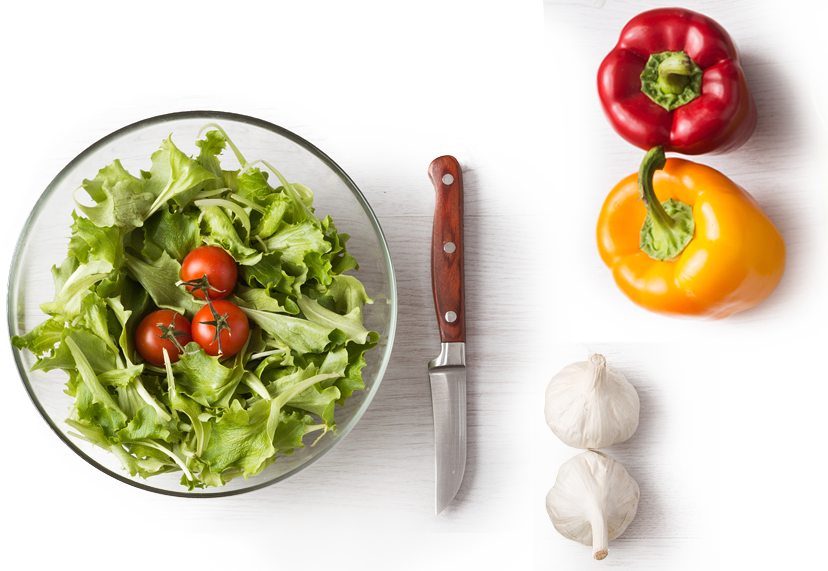
Does Diet Affect Your Hypertension?
The food you eat, your diet plays a huge role in determining your blood pressure. Some foods increase your blood pressure, and some foods help decrease your blood pressure. Foods that lower your blood pressure cause your blood vessels to relax and improve blood flow (circulation).
Foods That Increase Your Blood Pressure:
- High sodium (salt)
- Fried/Fast Food
- Processed Foods (chips, cookies, frozen dinners)
- Sugary Drinks and Desserts
- Red and Processed Meats
Foods That Decrease Your Blood Pressure:
- Fresh Fruits and Vegetables
- Whole Grains
- Nuts and Seeds
- Low-Fat Dairy Products
- Lean Protein
The DASH Diet: An Effective Method To Regulate Blood Pressure
The DASH diet, which has been credited with helping many people with hypertension through changed eating habits, is one of the more suggested dietary patterns involved in managing high blood pressure.
The DASH diet’s core principles are that it:
- limits sodium consumption
- increases consumption of potassium, calcium, and magnesium
- allows for balanced quantities of protein, fiber, and healthy fat foods
A sample daily meal plan that meets these principles could consist of:
- Breakfast…oatmeal with fruit
- Lunch…dal, roti (whole wheat bread made from flour), salad
- Snack…handful of nuts (unsalted)
- Dinner…grilled vegetables with brown rice
The DASH diet is an easy, practical way to develop a healthy lifestyle and can easily fit into most Indian households.
Practical Diet Tips For Controlling Your Blood Pressure:
- Decrease Your Sodium Intake
- Not to exceed 5g salt (or sodium) per day.
- Don’t add salt to cooked food when serving; it will make a difference.
- Increase Your Fruit & Vegetables With Potassium
- Potassium balances your sodium levels. Foods you can include in your diet that contain potassium include:
- Bananas
- Spinach
- Coconut water
- Sweet potatoes
- Increase Your Fiber Intake
- Fiber can help keep your heart healthy by improving circulation and reducing cholesterol levels. Some examples of foods high in fiber include:
- Whole-grain products
- Vegetables
- Fruits with skin
- Stay Hydrated
- Drink some water each day to ensure that the body has enough fluid to support normal circulation.
- Try to Reduce Your Intake of Processed Foods
- Most packaged foods are made using hidden sodium and unhealthy fats; therefore, it is essential to read the labels carefully.
The Best Lifestyle Choices for Maintaining a Healthy Blood Pressure Level Lifestyle factors are equally as important as nutrition. When combined, lifestyle and nutrition will yield the best results.
Get Regular Exercise
- 30 Minutes of Walking Each Day – If You Are Sedentary, Start with 10 Minutes, Then Add 10-15 Minutes More Each Week
- Do Gentle Yoga or Other Low Impact Exercise
- Avoid Sitting for Long Periods of Time
- Manage Stress – There Are Many Ways to Reduce Chronic Stress, Including:
- Meditating
- Deep Breathing
- Spending Time in Nature
Maintaining a Healthy Body Weight
Losing Just 10% to 15% of Your Total Body Weight Will Help to Reduce Your Blood Pressure Significantly.
Avoid Common Pitfalls
- Do Not Ignore Portion Sizes
- Do Not Depend Solely on Foods that Are Labeled “Low Fat”
- Do Not Skip Meals and Over Indulge LATER
- Do Not Think that Using Herbal Products is the Only Solution
You Need to Be Consistent – Do not Rely on Quick Fixes.
When Should I Discuss Blood Pressure with My Primary Care Provider?
It may be time for a check-up with your doctor if you think that your blood pressure is too high, or if you have any of the following symptoms or signs:
- Blood pressure readings consistently at elevated levels
- Headache or dizziness
- Chest pain
- Persons with diabetes or significant chronic illness.
Before starting a new diet and/or treatment program, always speak with your doctor regarding how to maintain the proper balance between them.
To summarize
Controlling High Blood Pressure does not have to be difficult; you can take small, mindful steps in changing your diet. Eating fresh, balanced, and nutritious foods is one of the best ways to begin your journey to greater health. By eating healthy, balanced, nutritious foods, you will improve your overall health and also help to strengthen your body’s heart.
Related Posts
What are the most effective lifestyle changes to manage Hypertension Dietary naturally?
High blood pressure, which people also call hypertension, is sometimes referred to as the "…
Career Opportunities After Completing an Online Hypertension Nutrition Course
Hypertension, or high blood pressure, is one of the most common health problems today that…
Pingback: High BP in Pregnancy: Warning Signs, Normal BP Range & Risk