
What Nutrients Are Important for Diabetics?
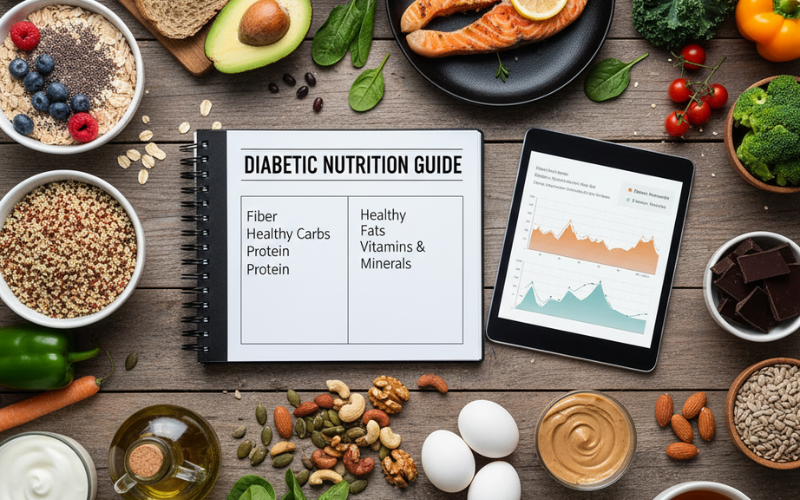
Taking medicine for diabetes isn’t enough; you also need to make smart food choices. Getting the proper nutrients is very important for keeping blood sugar levels in check, keeping up your energy, and supporting your general health. A healthy, well-balanced diet lets people with diabetes eat and enjoy their food without letting their situation get worse.
Why Is Fiber Important for Diabetics?
Having fiber is one of the best things for people with diabetes. It slows down digestion and sugar uptake, which helps maintain steady blood sugar levels.
Fiber’s main benefits are that it: lowers blood sugar after meals; improves gut health and stops constipation; makes you feel full longer, which helps you control your weight.
Whole grains, beans, vegetables, and fruits with their skins on are all good sources of fiber.
How Do Healthy Carbohydrates Affect Blood Sugar?
Picking the right kind of carbohydrates is very important because they have a direct effect on blood sugar levels. People with diabetes should avoid refined carbs and instead choose complex carbs that break down slowly.
Healthy carbs provide a steady supply of energy, better control over your blood sugar levels, and essential vitamins and minerals.
Brown rice, oats, quinoa, and beans are all good sources. Instead of white bread, sweets, or sugary drinks, these help keep blood sugar more stable.
What Role Does Protein Play in Diabetes Management?
Protein is needed to make new cells and fix old ones. It also helps maintain steady blood sugar levels. Protein does not make glucose levels rise quickly like carbs do.
Protein makes you feel full and stops you from overeating. It also builds muscle and gives you energy. Eating a variety of foods can help you better control your blood sugar.
For people with diabetes, lean meats, eggs, cheese, tofu, nuts, and fish are all great protein-rich foods.
Why Are Healthy Fats Necessary?
A lot of people think that fats are bad for you, but people with diabetes need good fats. They help lower inflammation, keep the heart healthy, and give you energy that lasts.
- Monounsaturated fats, which can be found in olive oil, eggs, and nuts, are healthy.
- Polyunsaturated fats can be found in nuts, seeds, and fatty fish.
- Omega-3 fatty acids (found in flaxseeds, salmon, and chia seeds).
People with diabetes are more likely to get heart disease, so cutting back on trans and heavy fats is essential.
How Do Vitamins and Minerals Help Diabetics?
Micronutrients don’t give you calories, but they are essential for keeping your blood sugar in check and making your health better in general.
Some important ones are:
- Magnesium—makes insulin work better.
- Chromium: helps the body use energy.
- Vitamin D: helps keep insulin levels in check.
- Potassium: keeps blood pressure in check, which is often linked to diabetes.
Getting enough of these nutrients is easy if you eat a variety of foods, like nuts, seeds, fruits, veggies, and dairy.
Conclusion
Nutrition is an integral part of daily life for people with diabetes. Fiber, healthy carbohydrates, protein, good fats, vitamins, and minerals all work together to keep blood sugar levels steady, provide you with energy, and lower your risk of health problems.
Instead of focusing on what they can’t eat, people with diabetes can do well by choosing foods that are balanced in terms of these essential nutrients. A proper diet can help you manage your diabetes and lead to a better, fuller life if you follow the appropriate steps.
FAQs
Can diabetics eat fruits safely?
Sugar-free people can eat fruits, but they should pick whole fruits over drinks. Apples and pears, which have skins, are better because they have fiber, which helps keep blood sugar levels steady.
Is it necessary for diabetics to take supplements?
Not all the time. A balanced meal is enough for most people to get all the nutrients they need. But if deficits are found, doctors may suggest taking extra vitamins or minerals, such as magnesium or vitamin D.
Related Posts

What certifications are available for nutritionists?
Nutrition is expanding quicker because more individuals are learning about lifestyle diseases, seeking preventative care,…

The Science of Healthy Eating: What Your Body Really Needs
It doesn't matter if you eat a quick lunch in the morning, a plate of…

Why an Online Internship for Dietitian Students Bridges the Gap from Nutrition Science to Clinical Practice
Students must study macronutrients, metabolism, food safety, therapeutic diets, and other science areas to become…
Leave a Reply